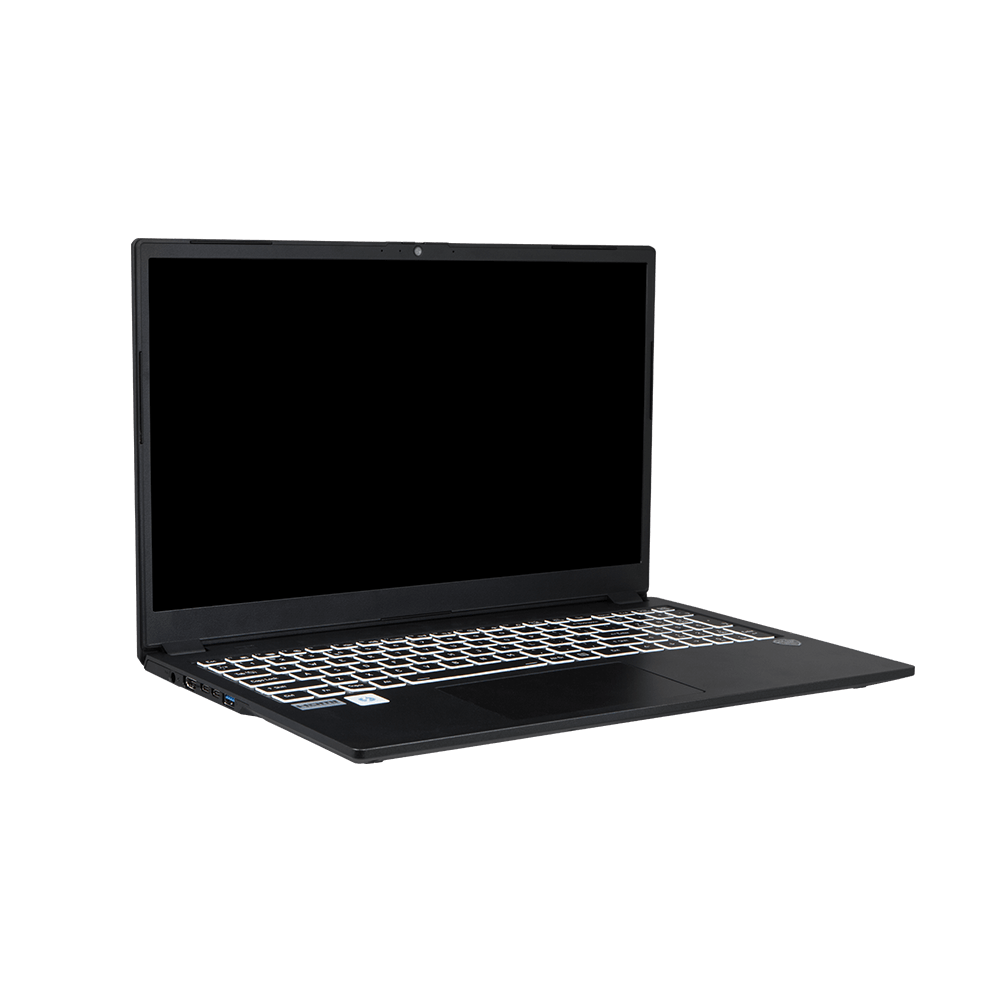
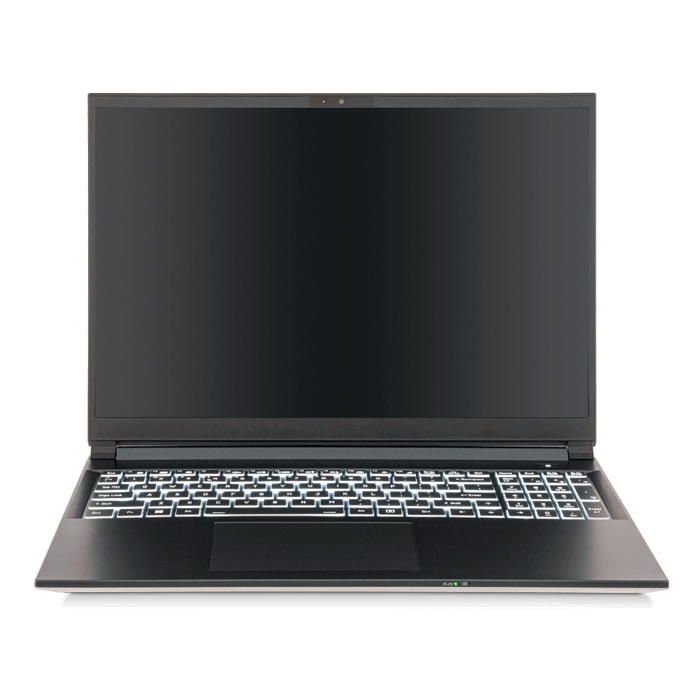
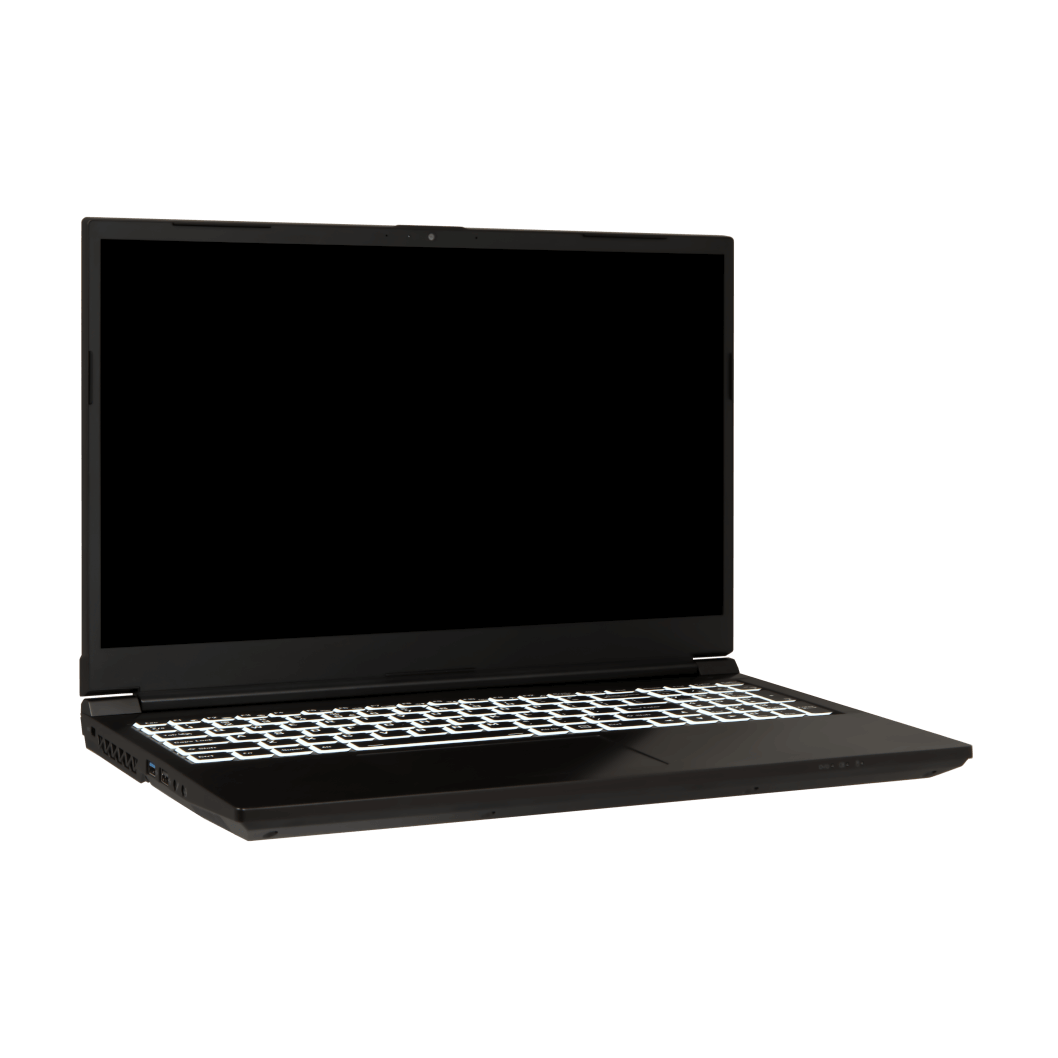
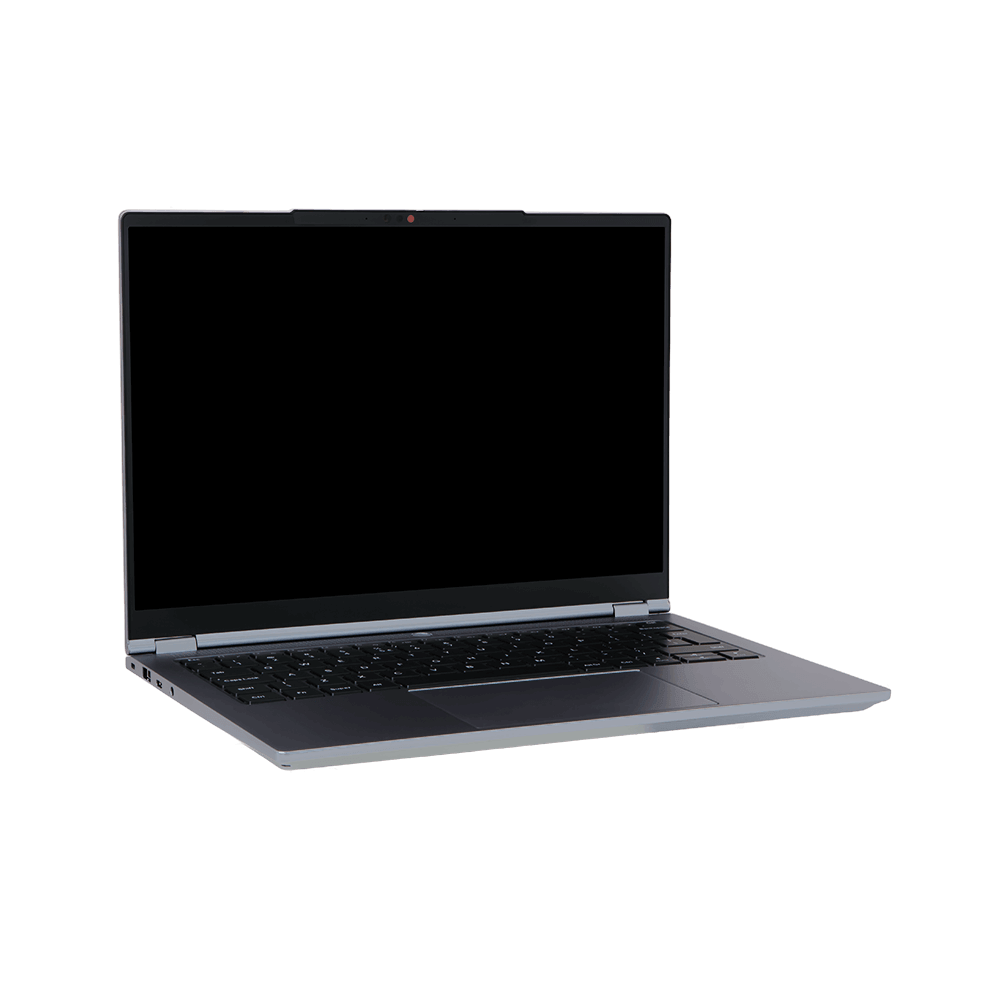
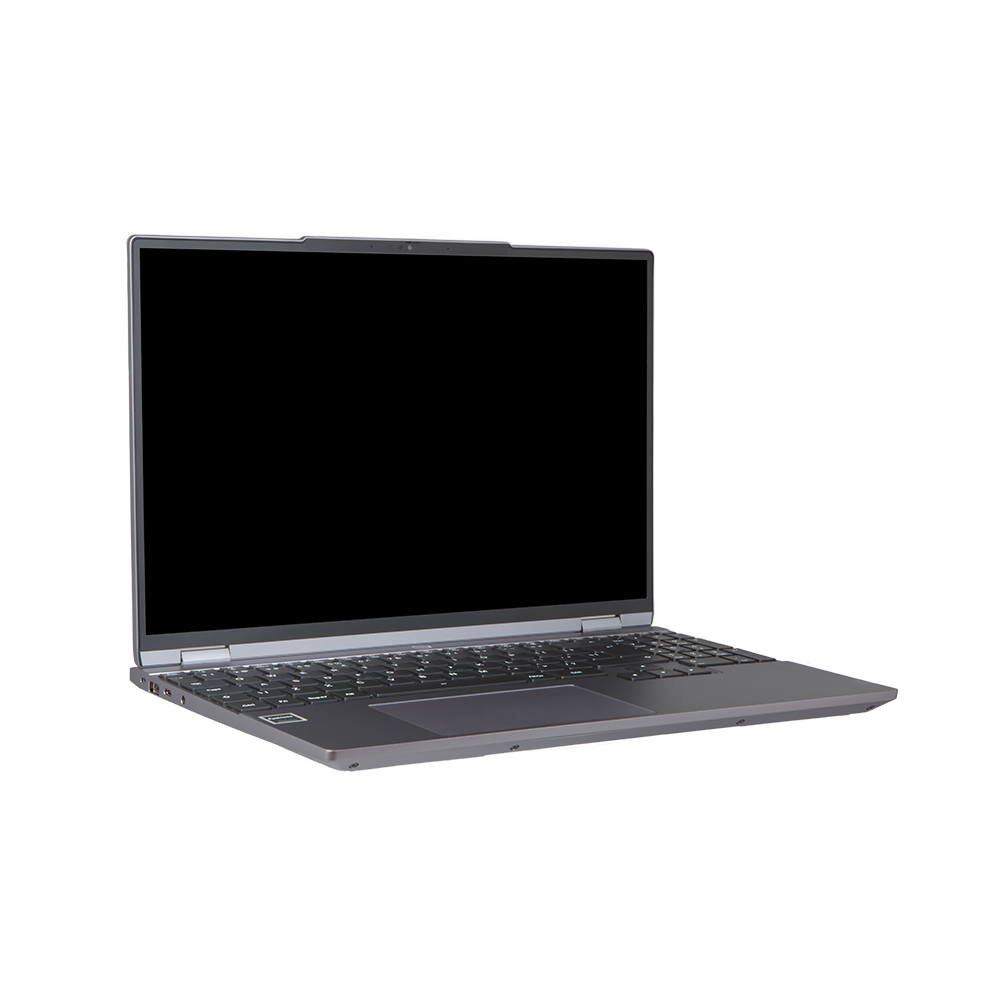
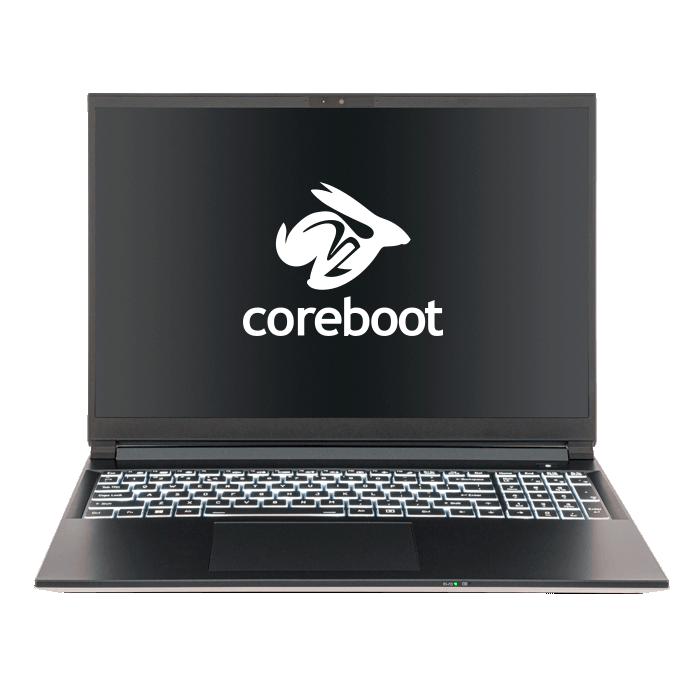
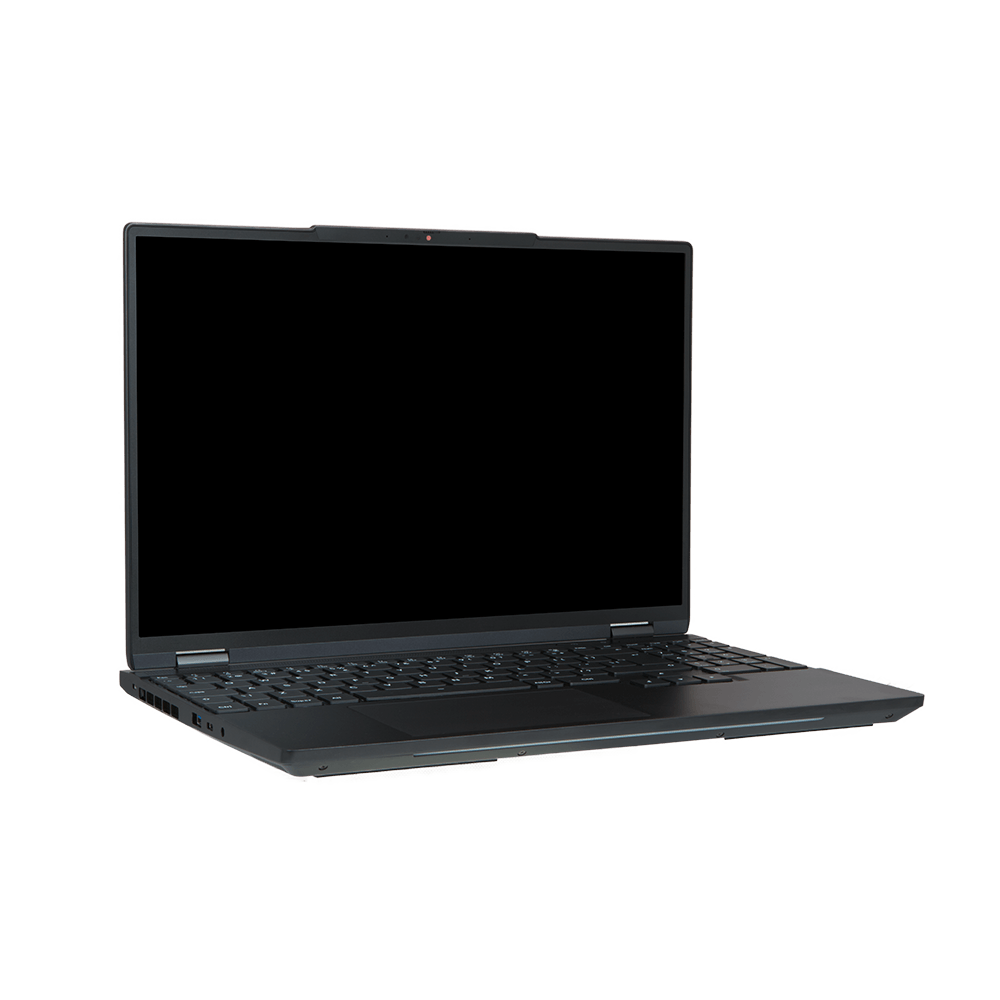
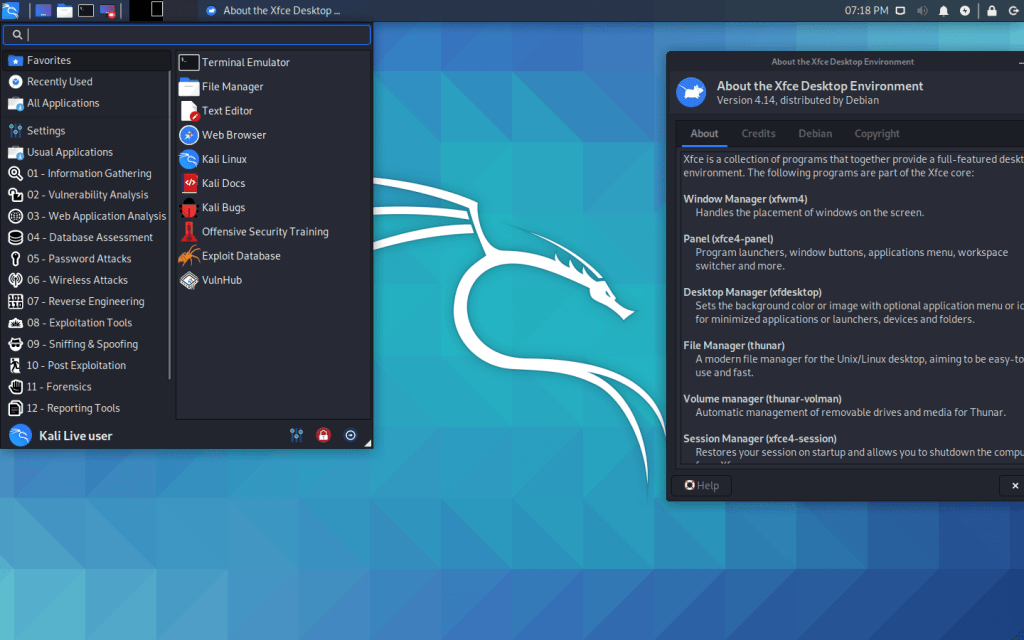
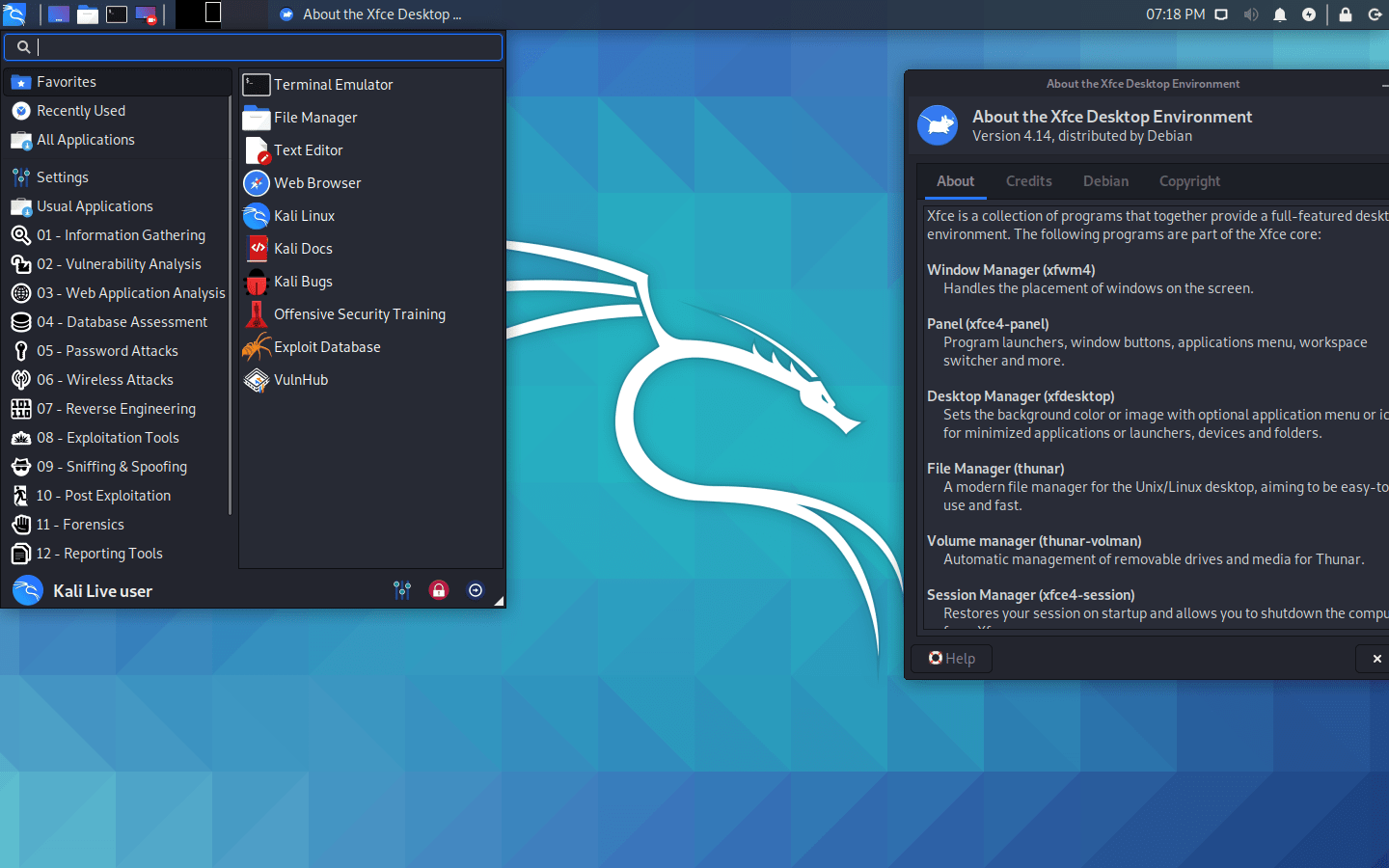
Kali Linux is the go-to choice for almost every ethical hacker, penetration tester and security researcher. A Kali Linux laptop comes packed with advanced tools for penetration testing and digital forensics, organised across categories like information gathering, social engineering, sniffing and spoofing, password cracking, vulnerability analysis, wireless network attacks, reverse engineering and much more. Since the American TV series Mr. Robot brought hacking culture into the mainstream, the popularity of Kali Linux has grown enormously — the show prominently featured tools like John the Ripper, Metasploit, Nmap and the Shellshock exploit, all part of the Kali toolkit.
OffSec (formerly Offensive Security), the company behind Kali Linux, offers ethical hackers a respected suite of certifications built around the Kali ecosystem. The most well-known is the OSCP (Offensive Security Certified Professional) — widely considered the industry gold standard for hands-on penetration testing skills — alongside OSCP+, OSEP, OSWE, OSWP, OSED, OSEE, and the entry-level KLCP. For a fee, students get access to course materials, lab environments and the practical exam.
Kali Linux is exceptionally flexible: it can be run as a live OS from a USB stick, used as a virtual machine in VirtualBox or VMware, installed natively on a laptop or desktop, and is available in 64-bit and ARM versions for traditional computers as well as devices like the Raspberry Pi. Even if you’re new to Linux or Kali, you’ll find plenty of guidance in the official Kali documentation, including a comprehensive installation manual and detailed information on using each of the included security tools.